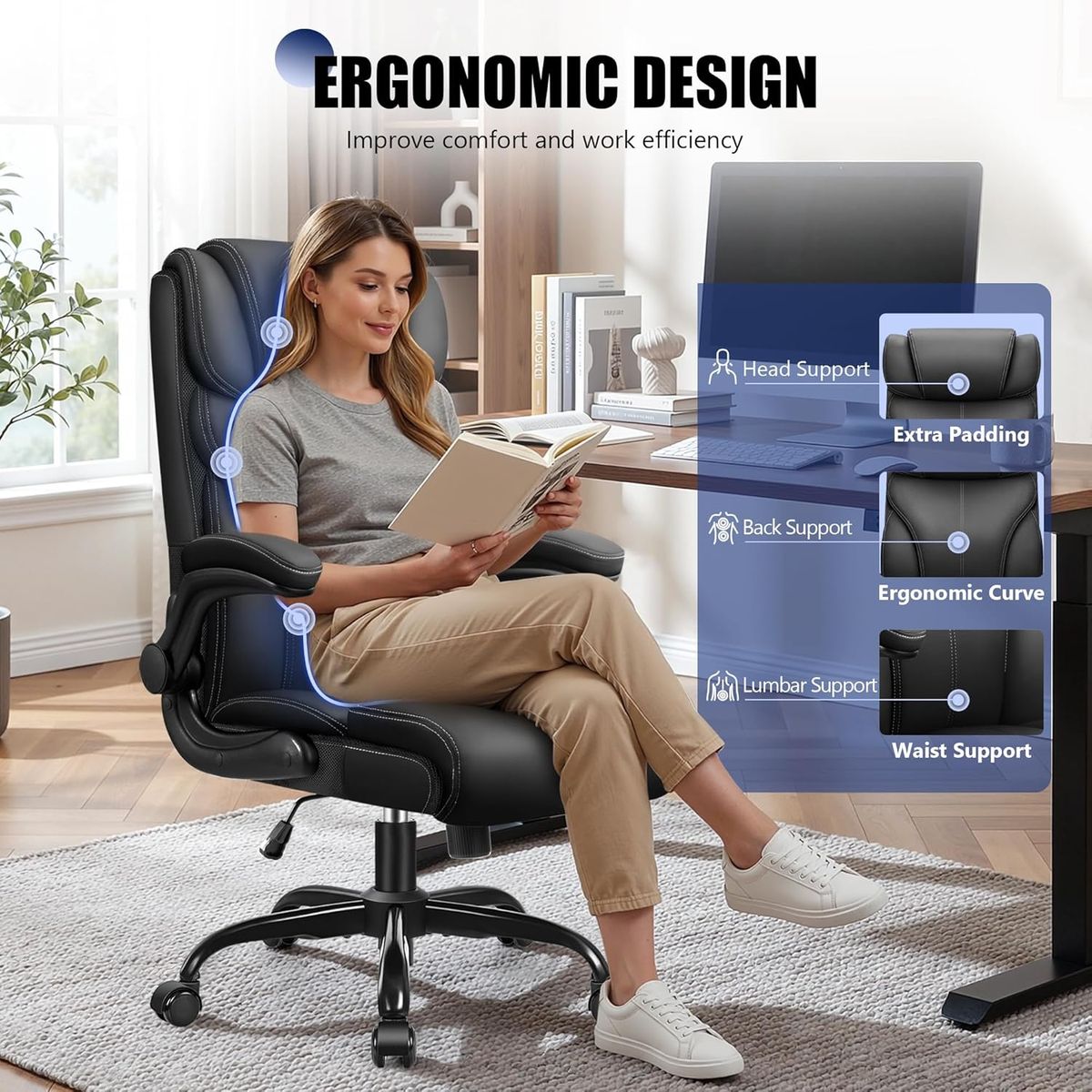
As someone who spends more time evaluating the curve of an armrest than the yield of a portfolio, I’ve developed a healthy obsession with office seating. Most chairs are designed by accountants, not engineers—compromising on articulation, skimping on materials, and hiding poor ergonomics behind bulky cushions. When I first unboxed the Primy Office Chair, I was prepared for the usual disappointment. Instead, I found a piece that treats the human body the way a precision instrument treats a delicate circuit: with deliberate, minimal intent.
Unboxing the Silhouette
The Primy arrives in a box that telegraphs its philosophy—compact, no wasted space, every component wrapped in recycled cardboard. Pulling out the chair, the first thing that strikes you is the leather. Not the plasticky vinyl that flakes after six months, but a bonded leather with a matte finish that feels cool to the touch and warms slightly under sustained contact. The stitching is clean, uninterrupted, with no loose threads. The black monochrome palette is deliberate: no chrome accents, no gaudy logos, just a uniform, quiet presence that blends into a minimalist workspace without shouting for attention.
Material Obsessions
The high back is upholstered in a single continuous panel, which means the lumbar region has no seams to dig into your spine. The padding is a medium-density foam that strikes the Goldilocks balance between sink-in comfort and structured support. I pressed my thumb into the seat cushion and watched it rebound slowly—a sign of decent resilience. The base is a polished nylon with a five-star aluminum core, finished in a gunmetal grey that resists scuffs. Every touchpoint—the armrests, the headrest cushion, the flip-up mechanism—has been radiused with care. No sharp edges, no annoying seams. This is a chair that respects your skin.
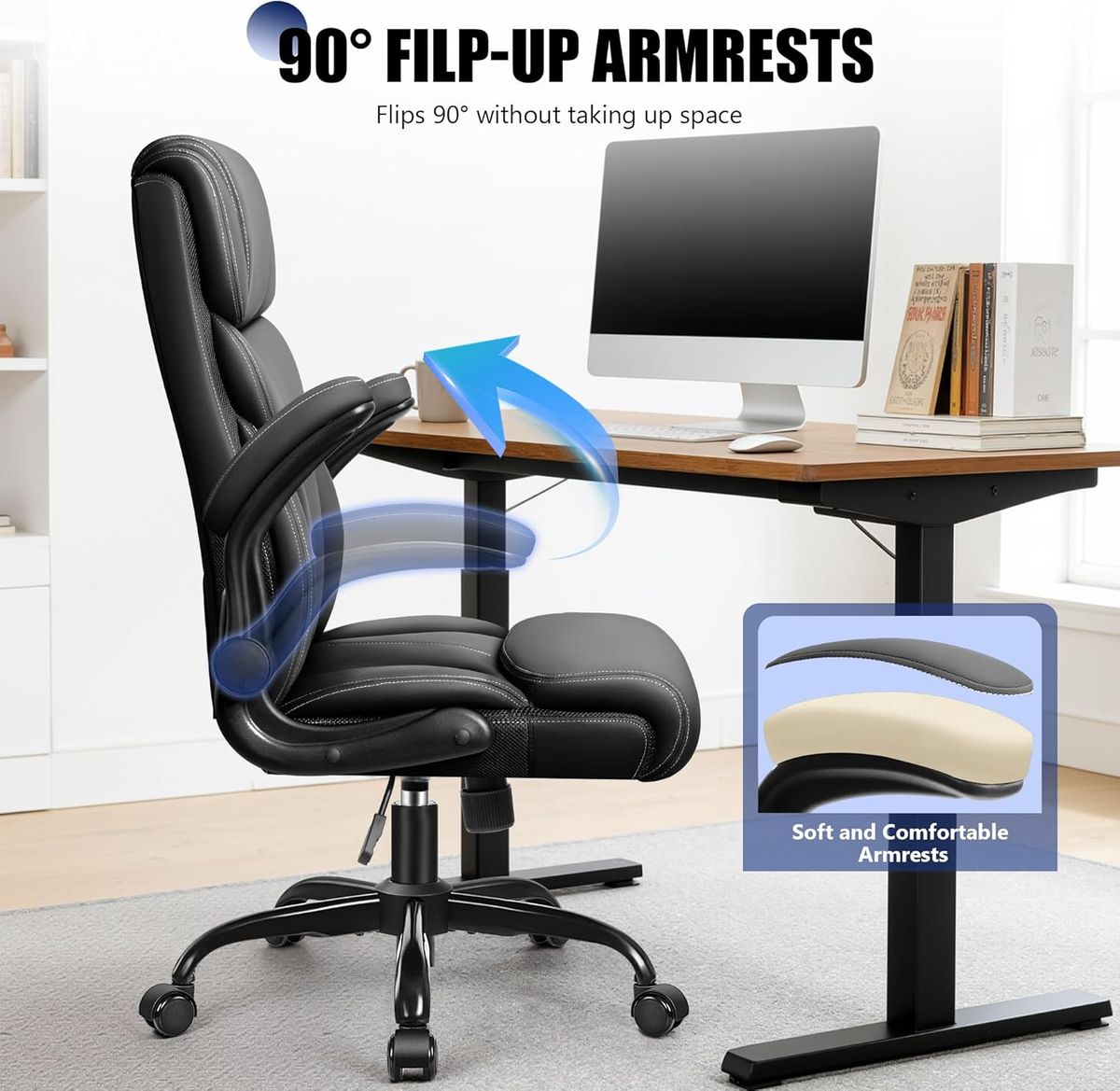
Functionality as Design Language
Primy understands that a chair’s value isn’t just in how it looks stationary, but in how it adapts to your movement. The flip-up armrests are a revelation. Most adjustable armrests require you to fumble under a desk with a lever that pops out at the worst angle. Here, the armrests pivot upward with a single, satisfying click—the detent is firm enough that they won’t drop accidentally, yet light enough to operate one-handed. When flipped up, the seat width becomes almost plane-like, allowing you to slide the chair under a desk without forcing armrest clearance. The width of the armrest surface is generous for a big and tall frame, yet the shape is tapered, so it doesn’t feel like you’re hugging a boat oar.
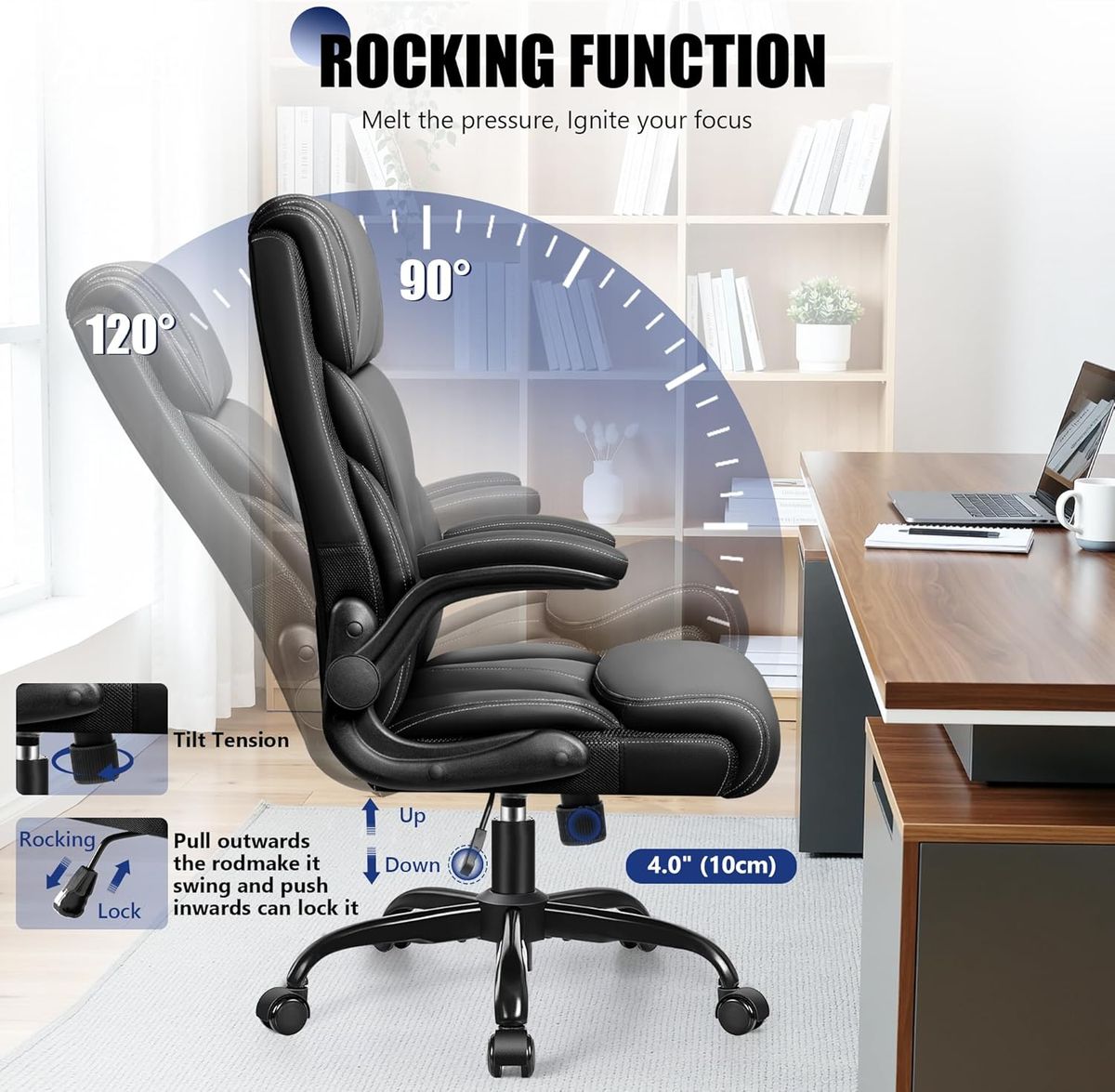
The Rocking Function
Built into the tilt mechanism is a rocking function that’s far more nuanced than the usual all-or-nothing recline. You adjust the tension via a knob under the seat—it’s a knurled metal knob with textured ridges, easy to grip even with sweaty palms after a long typing session. The range of motion is about 12 degrees, perfect for those moments when you need to lean back, stretch your shoulders, and think. The return spring is silent, with no creaking or metallic groans. I’ve had chairs that sounded like a haunted staircase when I rocked; the Primy is whisper-quiet. That kind of UX detail matters to anyone who values a calm workspace.
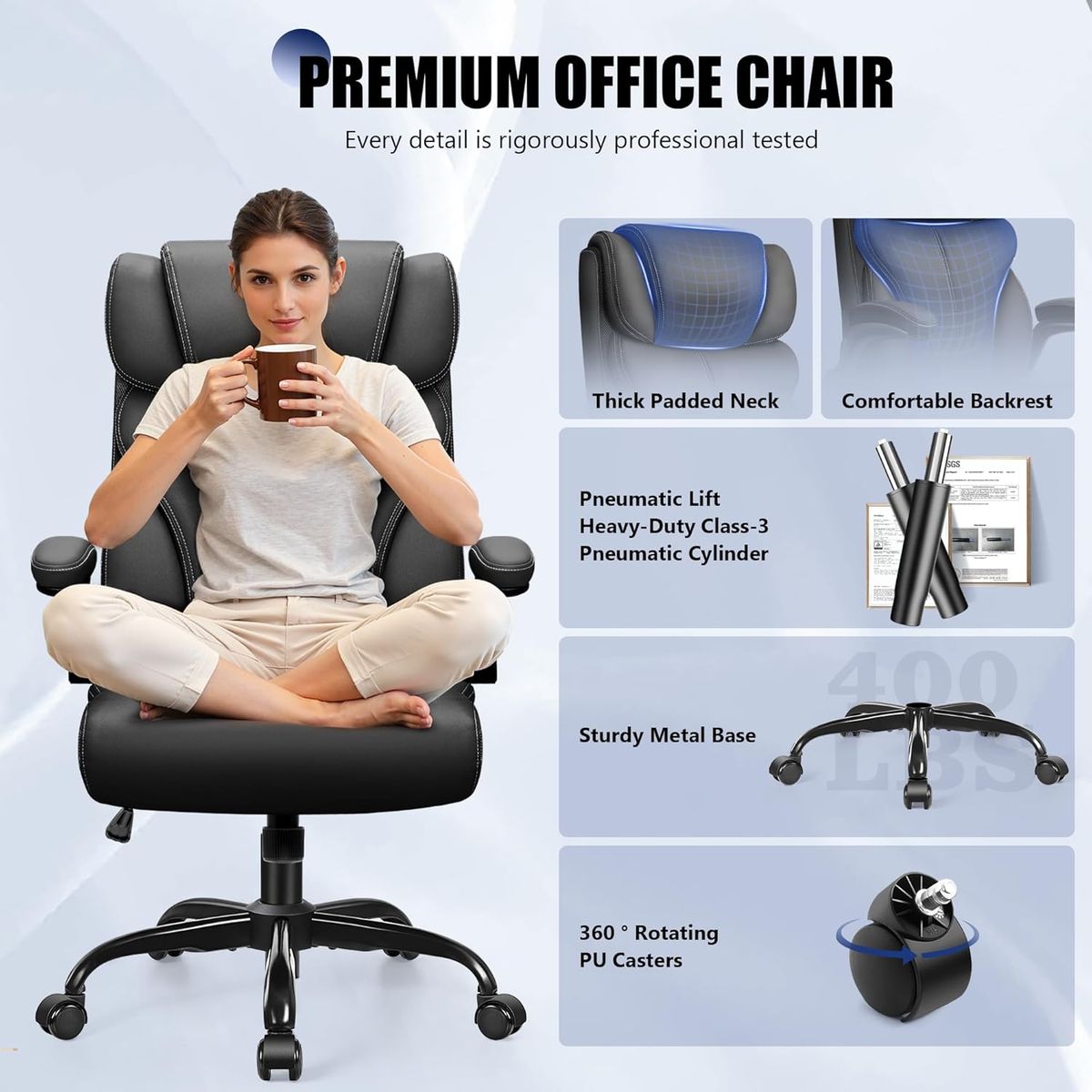
Lumbar Support That Actually Supports
Many chairs claim “lumbar support” but deliver a rigid plastic bump that forces your lower back into an unnatural curve. The Primy uses an integrated lumbar pad that’s sewn into the backrest, not bolted on. The pad is contoured in a gentle S-shape that aligns with the natural lordosis of your spine. When you sit back, it cups your lumbar region without poking. I sat for six hours coding with no lower back fatigue—something I haven’t experienced since I switched to a Herman Miller decades ago. The height of the backrest (over 30 inches) means the lumbar support hits the right spot for taller users (I’m 6’2”), and the padded headrest tilts forward slightly to cradle the neck when you recline.
The Footrest: Hidden in Plain Sight
One of the most elegantly executed features is the footrest. It retracts completely into the front of the seat base, flush with the cushion. Pull it out, and it extends on a smooth, damped slide—no jerky friction, no binding. The footrest surface is padded with the same foam and leather as the seat, so it’s not a cold slab of plastic against your legs. It’s perfect for those micro-breaks where you want to elevate your feet and let blood flow back to your knees. The length is generous enough for tall users (I can fully extend my legs without the footrest feeling like a stub), and it locks in place with a positive click. When not in use, you slide it back and it disappears. Clever, unobtrusive, functional.
Big and Tall Without the Boxy Silhouette
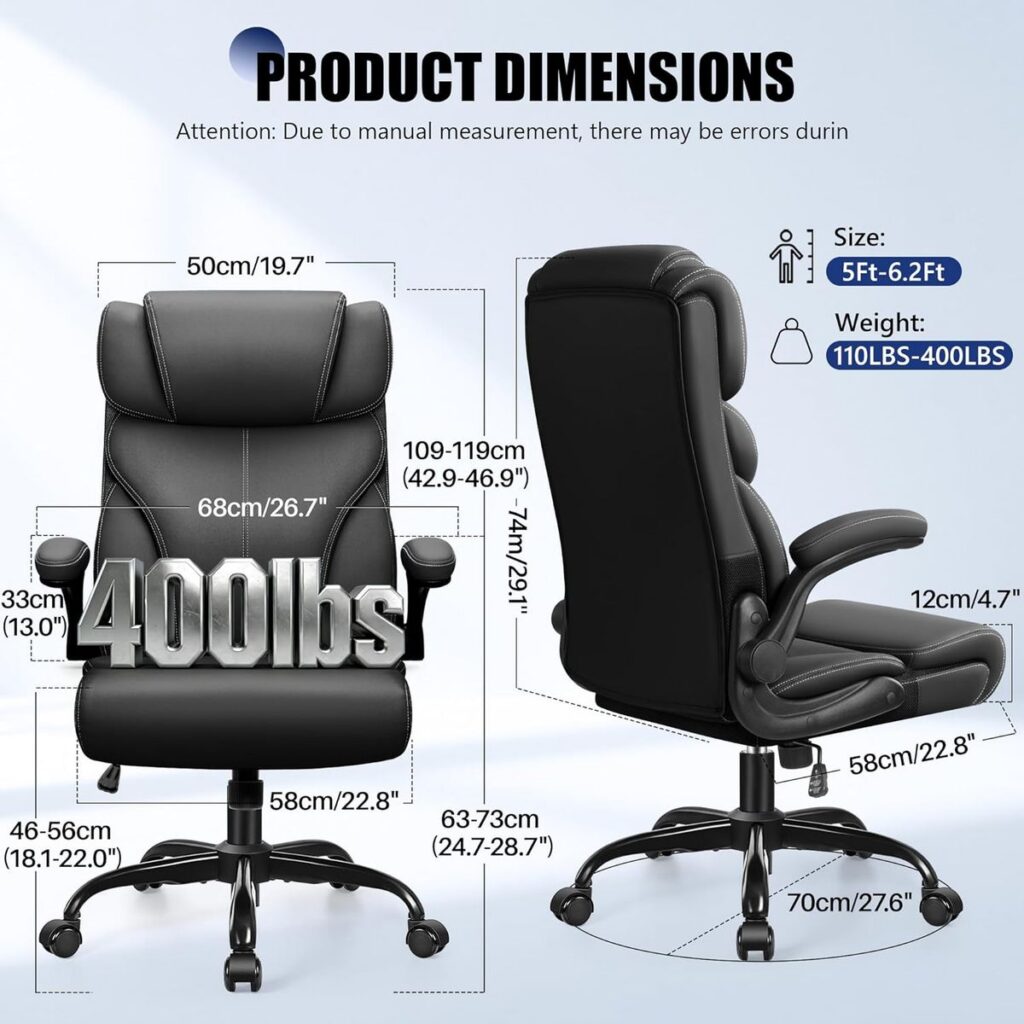
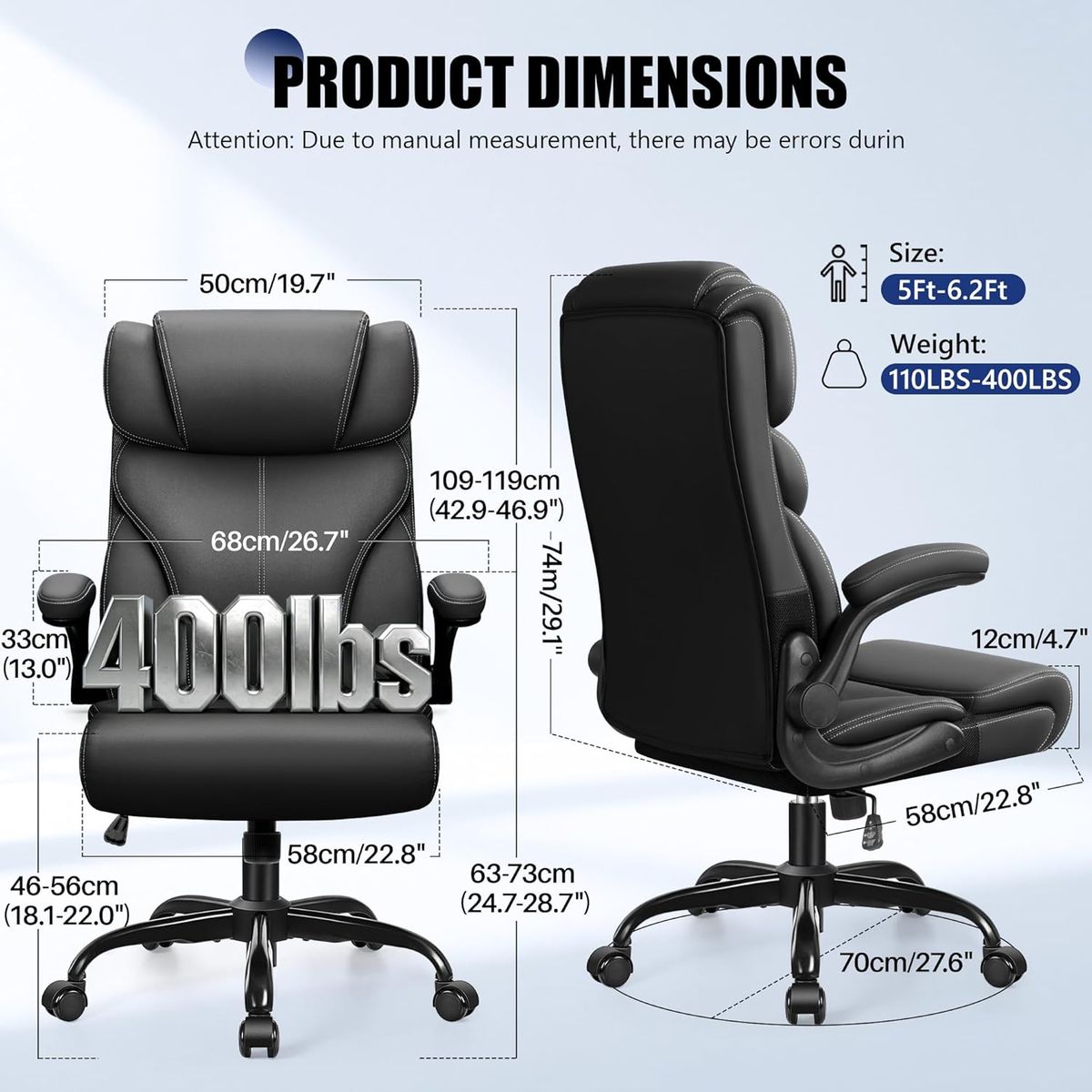
The category “big and tall” often translates to a chair that looks like it was designed for a linebacker in a 1980s sports car—bulky, overstuffed, and visually heavy. Primy avoids this by using a slim-profile backrest that flares slightly at the shoulders. The seat width is 22 inches, ample for larger frames, yet the overall footprint on the floor is surprisingly compact. The armrests sit close enough to the body to avoid the “arms akimbo” feeling, but wide enough to accommodate broad shoulders. The weight capacity is rated at 300 pounds, and the gas cylinder lifts smoothly even under heavy load. No wobble. No sag.
A Note on Assembly
I assemble chairs for fun (it’s a problem), and the Primy is one of the rare models that requires no tools. The main bolts are pre-installed with hex keys included, but the process involves literally five steps: attach the backrest to the seat, snap in the armrests, insert the gas cylinder, push on the base, and screw in the headrest. The instructions are printed on a single card with clean diagrams—no novella in six languages. It took me 12 minutes. That’s the kind of streamlined UX that makes a design lover smile.
If you’re still using a chair that fights your body instead of flowing with it, you owe yourself a better experience. The Primy Office Chair is not just a piece of furniture; it’s a ergonomic tool that respects your time, your posture, and your aesthetic sensibilities. Minimalist in appearance, maximalist in functionality. And at this price point, it’s a rare intersection of quality and value that you don’t want to sit out on.