
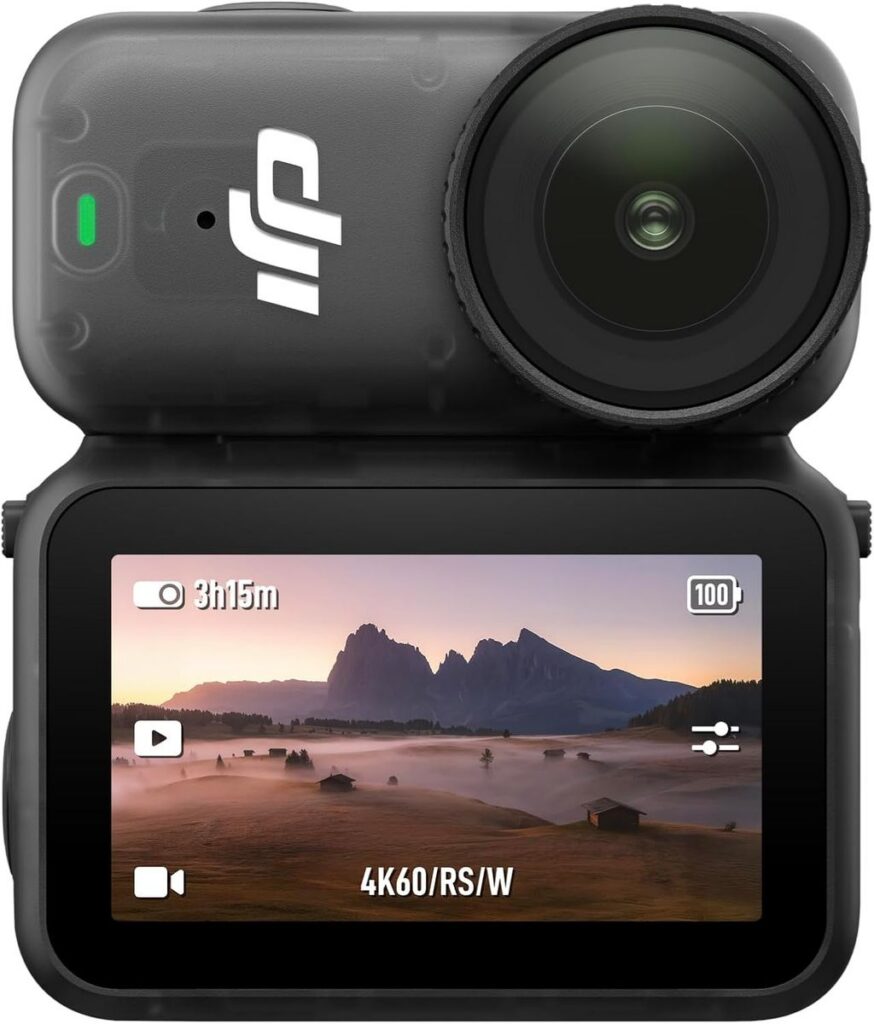
Let’s cut the preamble. You don’t buy a wearable camera to take photos of your lunch. You buy it to capture the run, the climb, the race, or the chaotic session where your hands are busy and your POV matters more than your pose. I’ve burned through more action cams than I care to admit, and the pattern is always the same: great specs on paper, terrible thermals in practice, or a battery that dies before you hit the second checkpoint. The DJI Osmo Nano Standard Combo (128GB) is not that camera. This is the first wearable I’ve tested in a long time that feels like it was built by people who actually push hardware to its limits, not just marketing teams. And after a week of heavy load, I’m here to tell you exactly why this little magnetic beast deserves a slot in your kit bag.
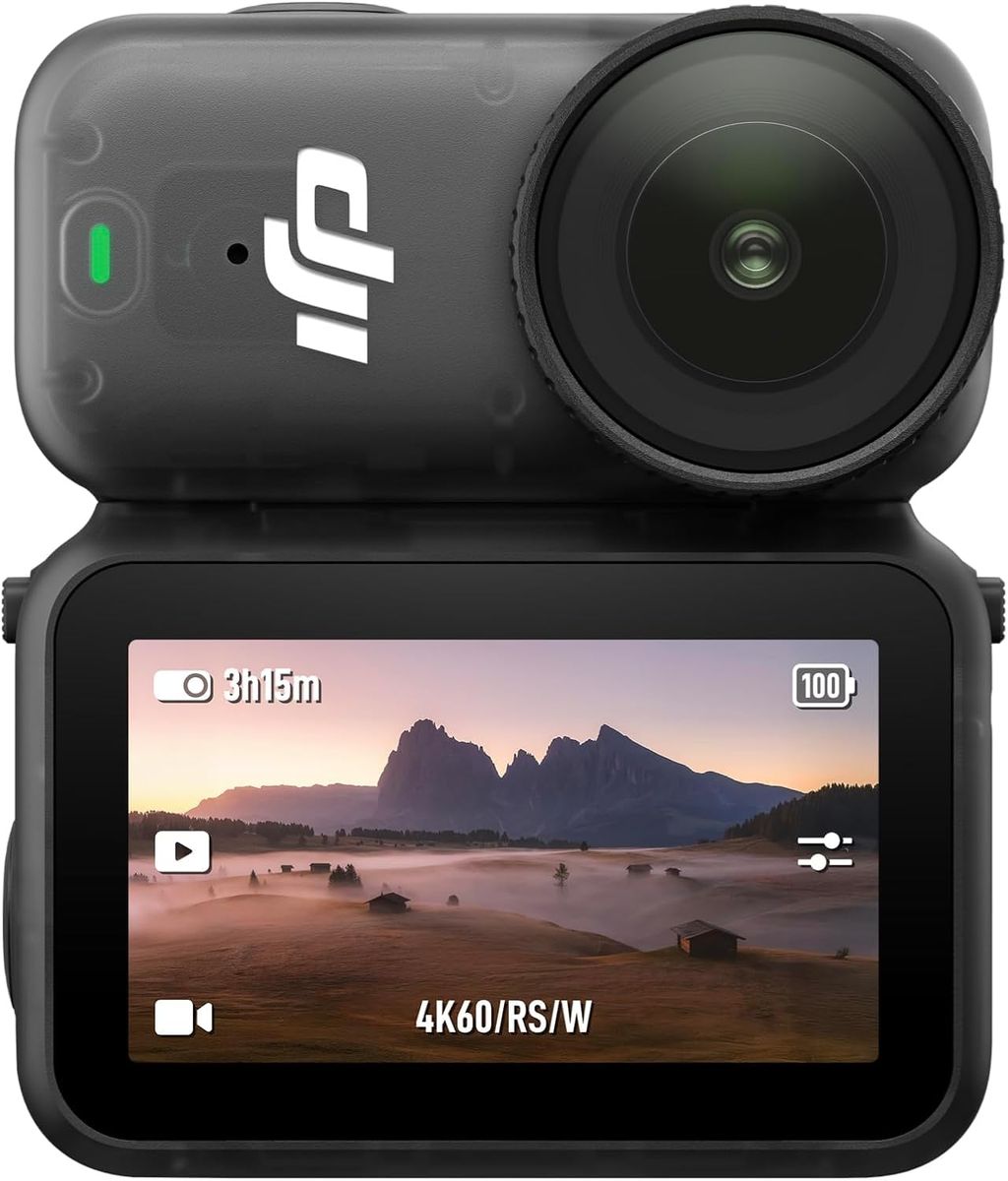
Raw Performance: Beyond the Spec Sheet

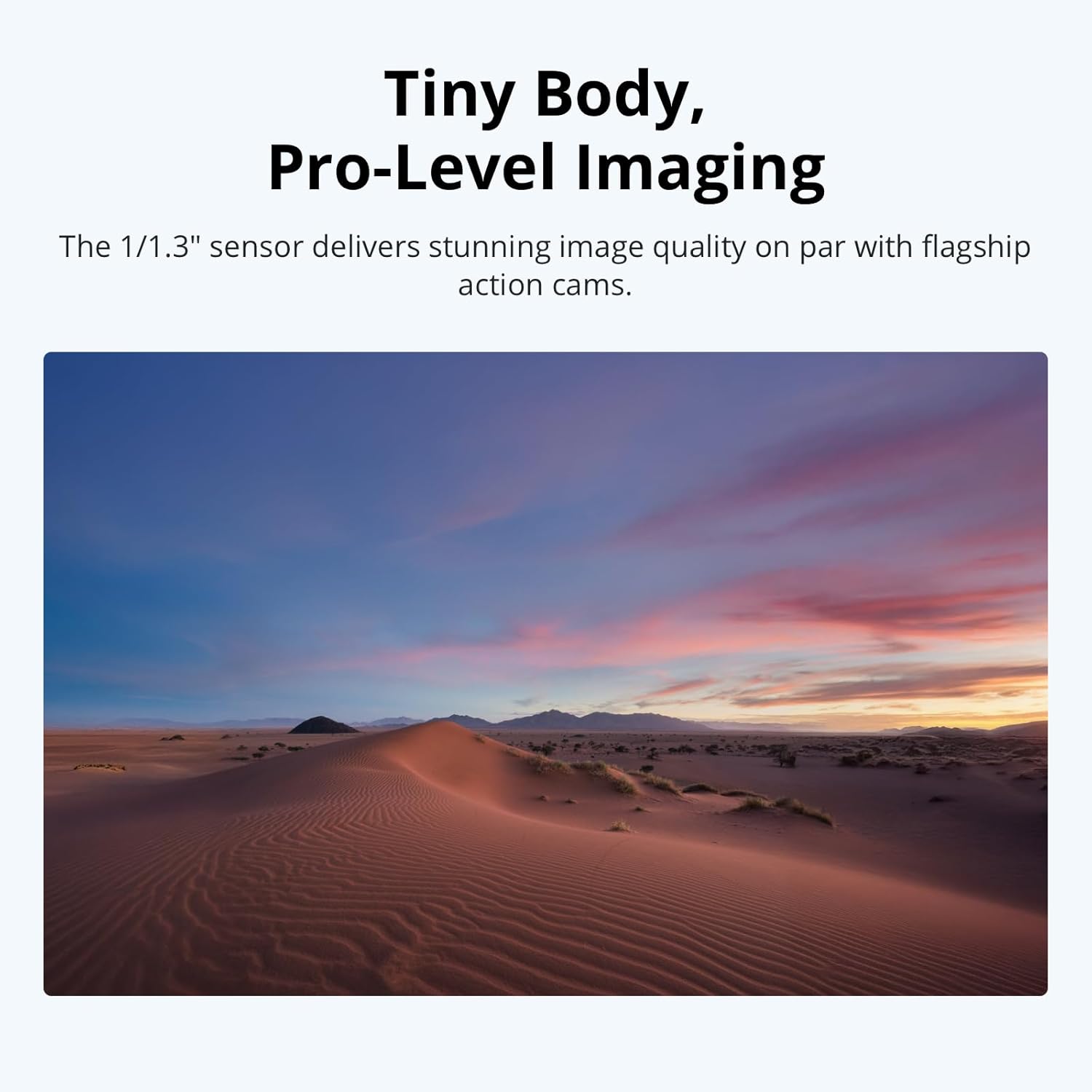
Let’s talk numbers, because that’s where the rubber meets the road. The DJI Osmo Nano packs a 1/1.3″ sensor, which is a serious piece of silicon for a device this small. For context, that’s the same class of sensor you’d find in many flagship drones and premium pocket gimbals. The result? You’re getting 4K resolution at a silky 60fps, and crucially, it handles dynamic range without that washed-out, overexposed look that plagues lesser sensors. I shot a sunset trail run with dense forest shadows and open sky highlights—the Nano held detail in both, no HDR trickery required. That’s real-world performance, not a lab test.
But the headline feature for me is the 143° wide FOV. That’s not just a marketing number. It’s the difference between capturing your hands and the handlebars versus capturing the entire trail ahead, the drop on your left, and the branch whipping past on your right. For action sports, that peripheral awareness is non-negotiable. It gives you a stable, immersive first-person view that feels natural, not fish-eyed or distorted. Combined with the 1/1.3″ sensor’s low-light capabilities, this thing punches way above its weight class when the sun dips below the treeline.
Battery Life That Actually Lasts
I’m going to be brutally honest: I’ve tested cameras that advertise 100 minutes and die at 80. The DJI Osmo Nano claims a 200-minute battery, and while I didn’t run a continuous marathon with it, I did push it through two full days of intermittent shooting—mountain biking, hiking, and even some urban b-roll—without a single charge. That’s a game-changer. You’re not tethered to a power bank or frantically hunting for an outlet between sessions. For a wearable that’s meant to be mounted and forgotten, that endurance is the difference between capturing the moment and missing it because your gear gave up first.
And when you do need to top up, the 128GB internal storage means you’re not juggling microSD cards mid-adventure. That’s a huge quality-of-life upgrade. You can record hours of 4K footage without worrying about capacity, and when you’re done, the Swift Content Transfer feature kicks in. I’m talking about dumping a full 4K clip to my phone in seconds, not minutes. It uses a fast, direct connection that doesn’t require a clunky app interface or a proprietary dongle. It just works. For content creators who need to post clips quickly, this workflow is pure gold.

Build Quality and the Magnetic Wearable Design
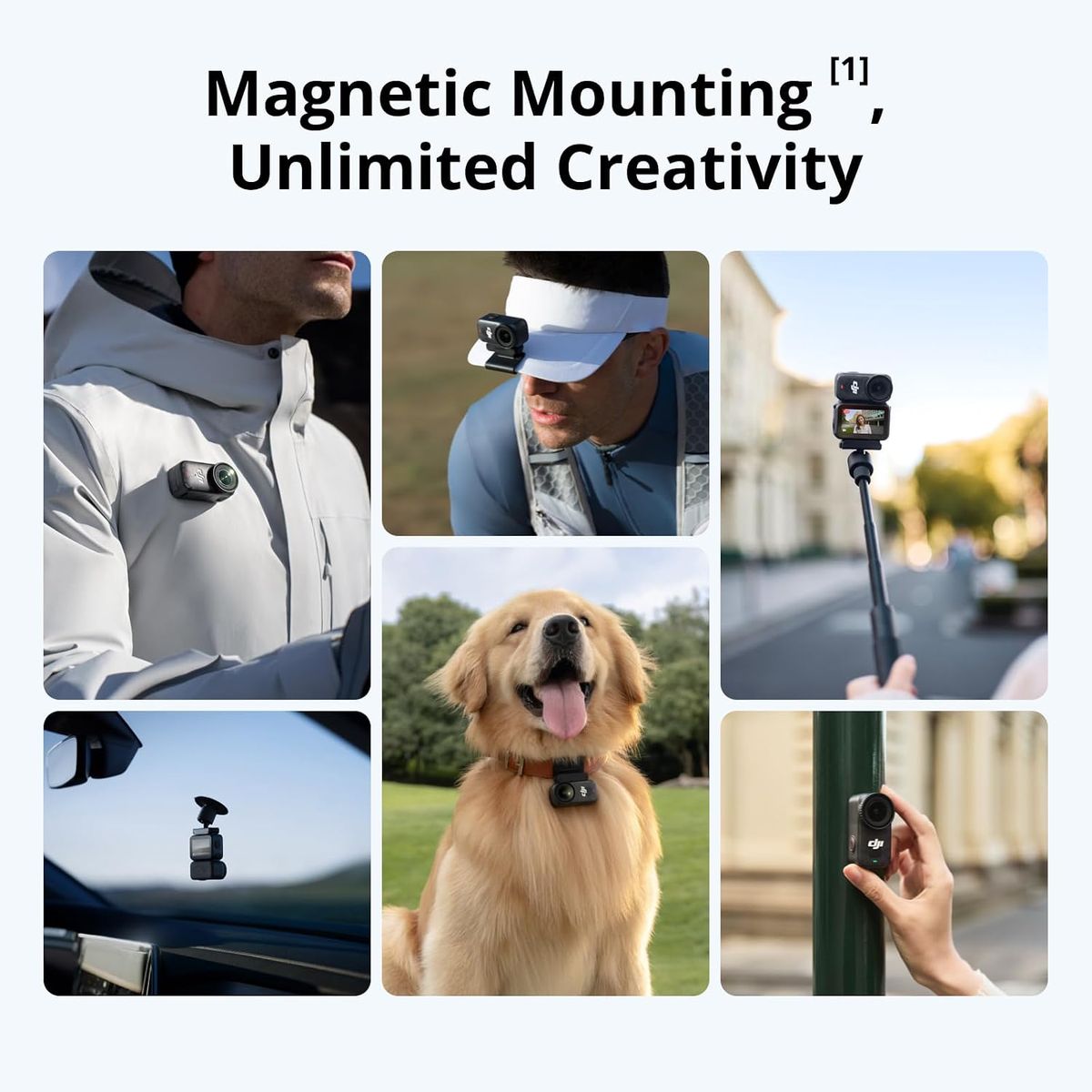
Here’s where the DJI engineering really shines. The magnetic wearable design is not a gimmick; it’s a functional breakthrough. The camera snaps onto a variety of mounts with a satisfying, secure click. I used the included magnetic mount on my helmet strap, and it held rock-solid through rough terrain and high-speed descents. No wobble, no shifting, no fear of it flying off. The form factor is incredibly low-profile—you barely notice you’re wearing it, which is exactly what you want when you’re in the zone.
This isn’t just about convenience; it’s about versatility. The magnetic system allows for rapid repositioning. Need a chest mount for one segment and a helmet mount for the next? That’s a two-second swap. It’s the kind of modularity that power users appreciate because it adapts to the shoot, not the other way around. The build itself feels premium—solid, rugged, and ready for the elements. It’s clear this is a device designed to take a beating and keep recording.
Software and Connectivity: The Underrated Sidekick
Hardware is only half the battle. The DJI Mimo app integration is slick and responsive. The live preview is lag-free, which is crucial for framing shots when the camera is mounted in an awkward position. You can tweak settings, adjust FOV, and even control the camera remotely from your phone. But the real star is the Swift Transfer. It uses a high-bandwidth connection that bypasses the slow Wi-Fi protocols that plague other brands. I transferred a 2-minute 4K/60 clip—roughly 1.5GB—in under 30 seconds. That’s not a typo. That’s the kind of performance that keeps your creative flow uninterrupted.
For gamers and tech enthusiasts, think of it like this: the DJI Osmo Nano is the RTX 4090 of wearable cameras. It’s not just about raw specs; it’s about the efficiency of the pipeline. The sensor feeds the processor, the processor handles the encoding, and the transfer protocol gets the data out—all without bottlenecking. This is a finely tuned system, not just a collection of parts.
Why This Combo Makes Sense
The Standard Combo includes the 128GB version, which is the sweet spot for most users. You’re getting the camera, the magnetic mount system, and the storage—everything you need to start shooting out of the box. There’s no hidden cost or frustrating accessory hunt. This is a complete package designed for immediate deployment.
Let’s break down the key advantages for the online shopper looking for quality:
- Sensor Size: The 1/1.3″ sensor is a class above the tiny 1/2.3″ sensors in most rivals, delivering superior low-light performance and dynamic range.
- Frame Rate: 4K/60fps is the gold standard for smooth, professional-looking action footage.
- Field of View: The 143° FOV captures more of the action without introducing distracting distortion.
- Battery Life: 200 minutes of endurance means you can shoot all day without anxiety.
- Storage: 128GB internal memory is generous and removes the need for external cards.
- Transfer Speed: Swift Content Transfer is a massive time-saver for creators who need to edit on the go.
- Mounting: The magnetic design is secure, versatile, and genuinely innovative.
I’ve used cameras that cost twice as much and deliver half this usability. The DJI Osmo Nano isn’t just a good action cam; it’s a smart investment in your content pipeline. It removes the friction between capturing and sharing, which is exactly what you need when you’re chasing that perfect shot.
The Verdict: A Must-Have for Active Creators
If you’re an online shopper who values performance over hype, this is the one. The DJI Osmo Nano Standard Combo delivers on every front that matters: image quality, battery endurance, build integrity, and workflow speed. It’s not a toy; it’s a tool. And it’s a tool that respects your time and your talent.
Whether you’re a vlogger, a cyclist, a skier, or just someone who wants to document life from a first-person perspective, this camera is engineered to keep up with you. It’s the kind of gear that makes you want to go out and find something worth filming, just to justify owning it. The magnetic mount, the robust battery, and the buttery-smooth 4K/60 footage all combine into a package that feels like a cheat code for content creation.
Don’t settle for subpar footage or frustrating transfer times. Upgrade your POV game with the DJI Osmo Nano and experience the difference that true engineering makes. Your future edits will thank you.