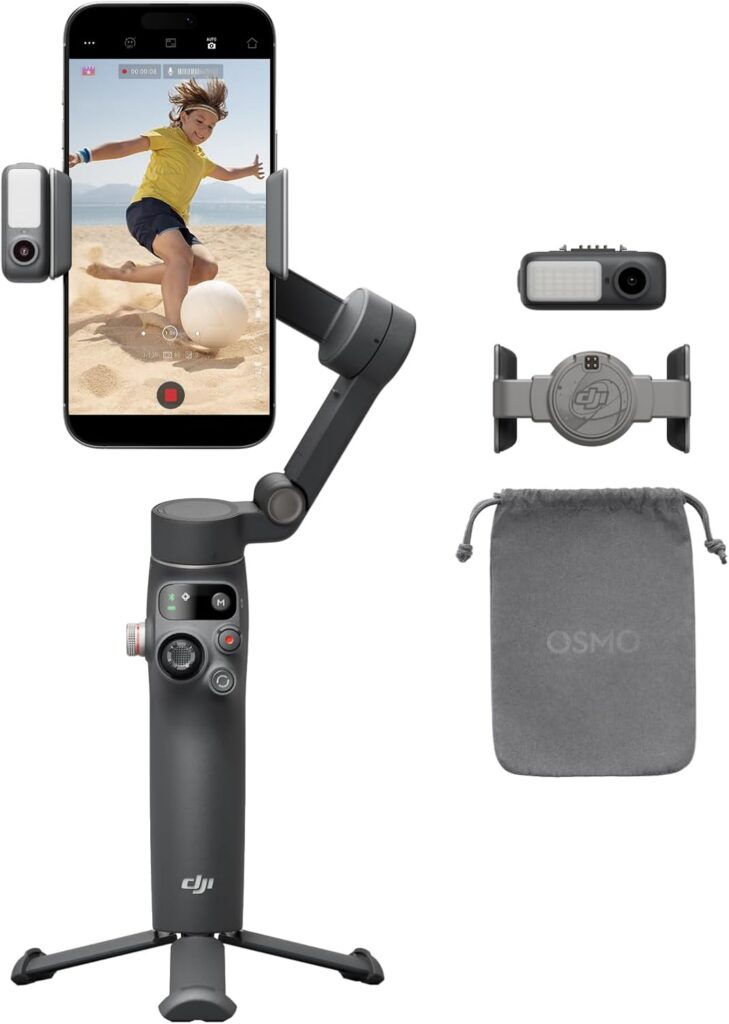
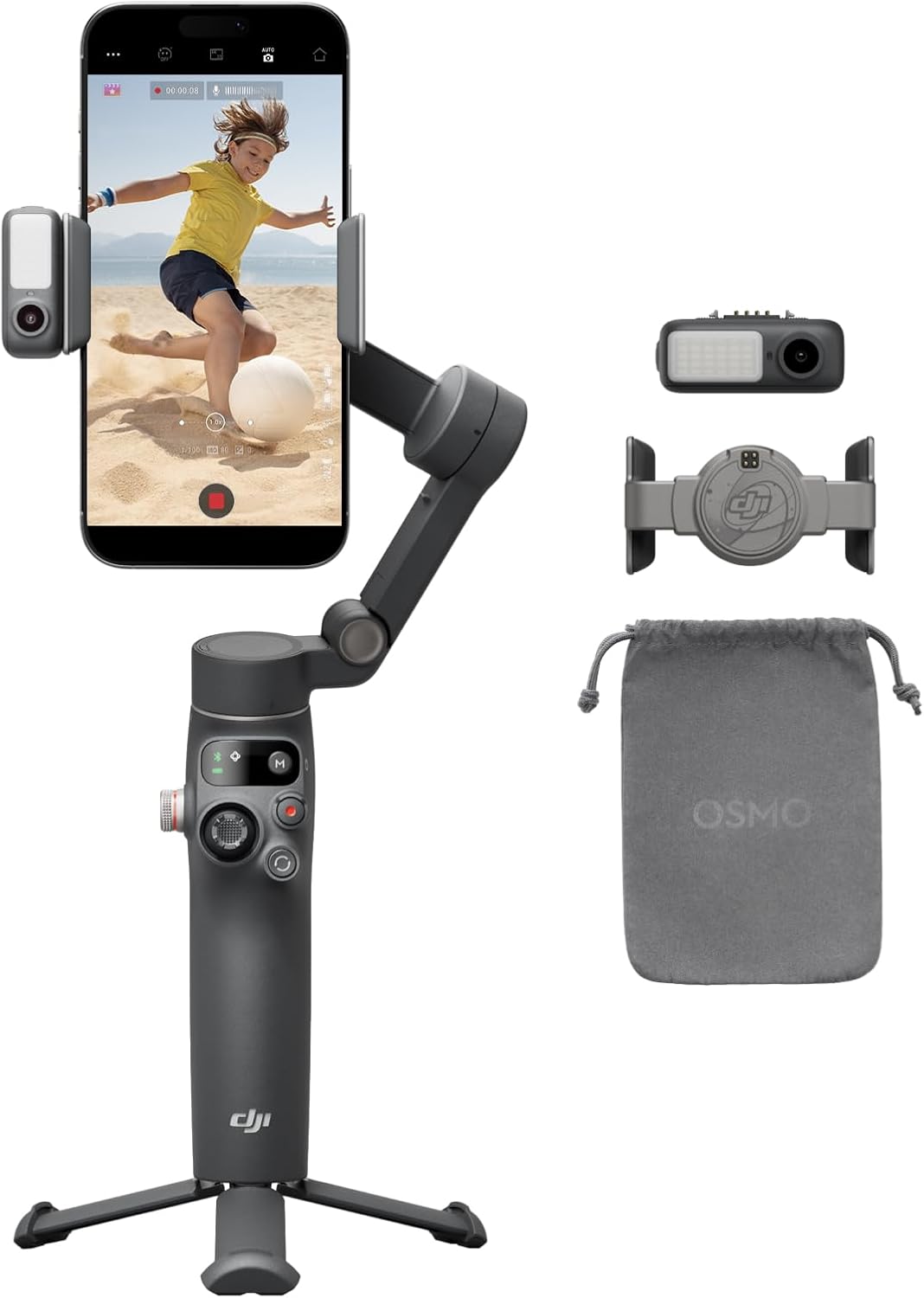
Let’s be honest—your smartphone’s camera is a marvel of modern engineering. It can shoot in 4K, capture stunning low-light footage, and even mimic depth of field. But there’s one thing it absolutely cannot do on its own: stay perfectly still. You can have the best sensor on the market, but if your hands are shaking after a long hike or you’re trying to film a hyperactive puppy, your footage will look like a seismic event. That’s where the mechanical genius of a gimbal steps in, and after living with the DJI Osmo Mobile 7P for the past three weeks, I can tell you—this isn’t just an accessory; it’s a creative liberation.
I’ve tested gimbals that felt like they required a degree in aeronautics to operate, and others that were so flimsy they vibrated more than they stabilized. The DJI Osmo Mobile 7P is a different beast entirely. It’s the kind of gear that makes you actively look for excuses to film. From the moment you clamp your phone in and feel the motors whir to life, you know you’re holding precision hardware. This isn’t just a stick with a motor; it’s a complete filmmaking ecosystem that fits in your backpack.
Unboxing the Future: Design and Build Quality
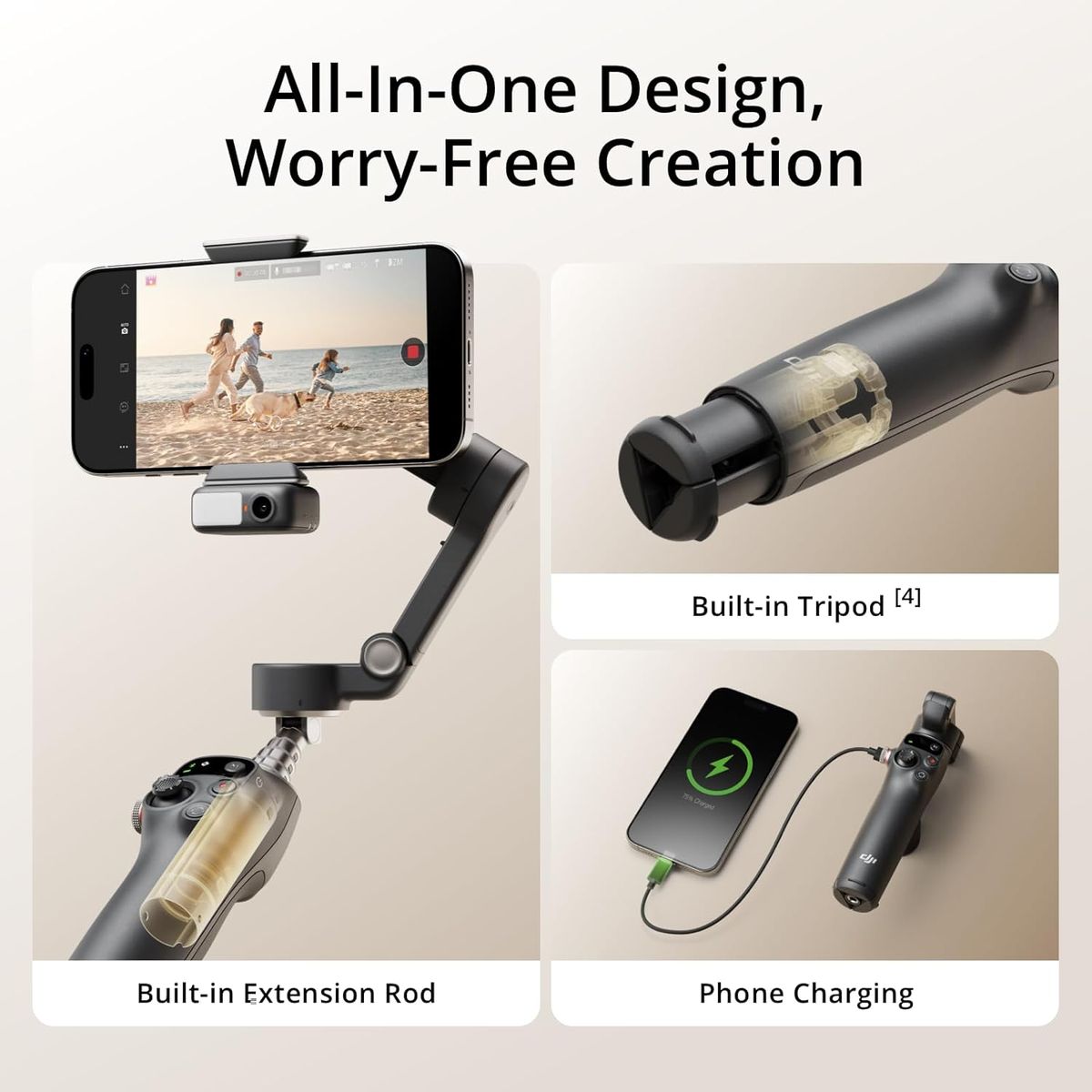
The first thing you notice is the integrated design. DJI has crammed so much tech into this form factor that it feels like they’re showing off. The foldable design is slick—it collapses down to a size that slips into a jacket pocket without looking like you’re carrying a weapon. But the party trick? The built-in extension rod. Yes, you read that right. DJI listened to the selfie crowd and the vloggers who were tired of carrying separate monopods. You pull it out smoothly, and suddenly you have a six-inch extension for those high-angle shots or group selfies that don’t require a selfie stick.
Underneath that, there’s a retractable tripod built into the base. This is the feature I didn’t know I needed until I had it. You can set the device down on a picnic table, a rock, or a city curb, and it stands firm. This isn’t a flimsy afterthought; the legs lock into place with a satisfying click. Combined with the extension rod, you have a full production rig without carrying a single extra piece of gear. The build quality is typically DJI—matte finishes, tight tolerances, and a grippy texture that feels secure even when your palms are sweaty from carrying it around all day at a festival.
Native Tracking: The AI That Follows You
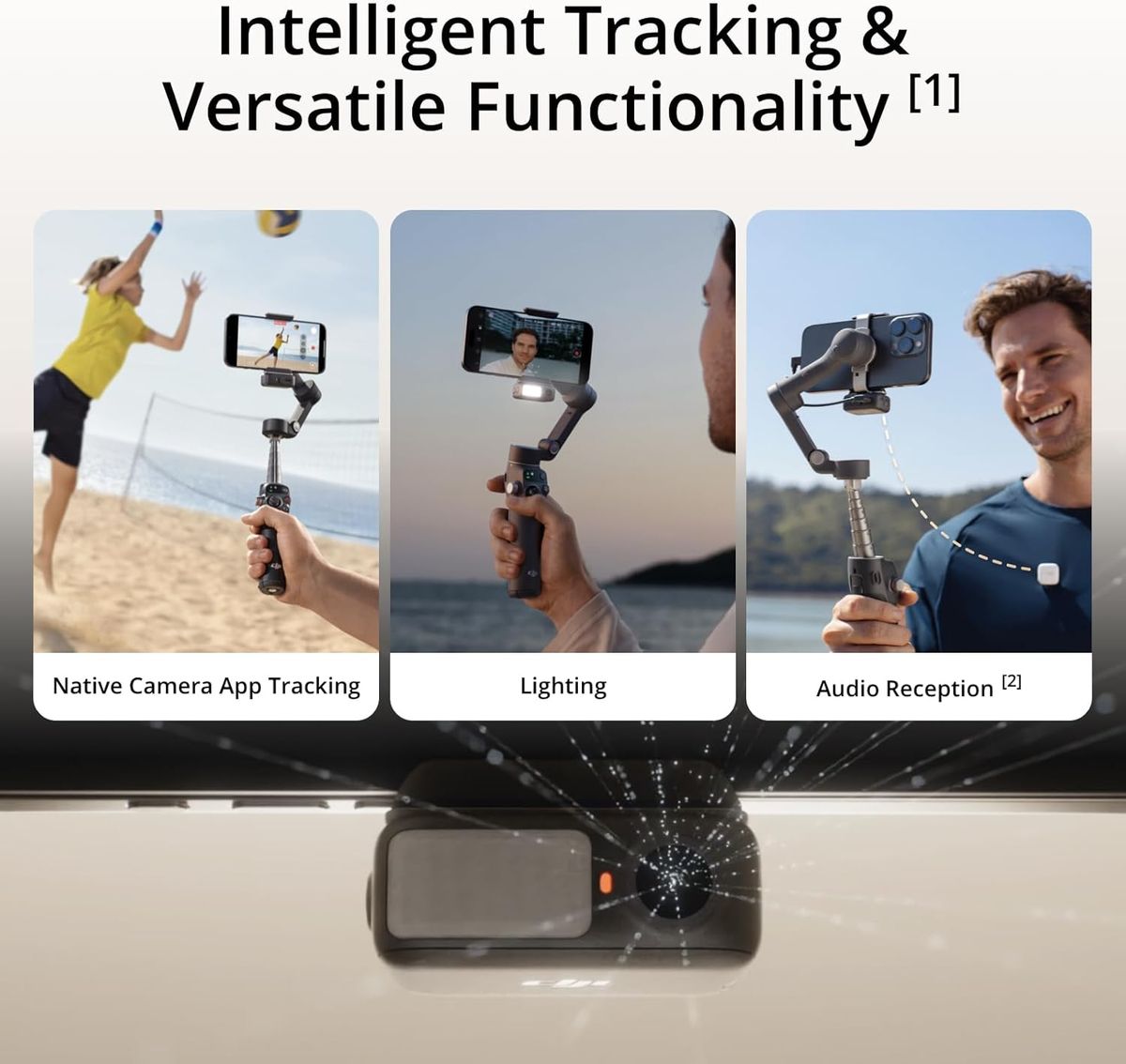
Let’s talk about the headline feature: Native Tracking. In the past, if you wanted the gimbal to follow a subject, you had to use the DJI Mimo app. The problem? Third-party apps like Instagram or TikTok wouldn’t get the tracking data. The Osmo Mobile 7P changes this with a hardware-level solution. The gimbal uses a combination of the phone’s sensors and the active motors to create a “virtual” tracking system that works with your native camera app.
I tested this extensively. I set the phone to the native camera, framed my daughter running around the garden, and tapped on her face. The gimbal locked on and rotated smoothly, keeping her dead center in the frame. The latency is imperceptible. It’s not just face tracking either; you can track objects—a car, a dog, a football. This is massive for content creators who are tired of the “tap and pray” method. It means you can vlog hands-free, walk around a subject, and the gimbal will pivot like it’s on a dolly track. This feature alone makes the 7P worth the upgrade over older models.
The Magic of ActiveTrack and Lighting
Beyond native tracking, the DJI Mimo app integration offers ActiveTrack 7.0. This is where the geeky details shine. The software uses deep learning to recognize the subject’s shape, not just their face. So if you turn around, the gimbal knows it’s still you based on your clothing and body structure. It’s spooky accurate. I was walking through a crowded market, and it kept the focus locked on my friend’s back even when people walked between us.
And then there’s the lighting. For the first time in the Osmo Mobile series, DJI has integrated a fill light into the clamp. It’s not just a gimmick; it’s a dual-color temperature LED panel. In low-light situations—think evening city walks or indoor restaurants—you can flip the switch and get a flattering, soft light that doesn’t wash out your subject. It’s adjustable in brightness, which is perfect for those moody cinematic shots or for rescuing a video that would otherwise be grainy noise. This turns your phone into a proper run-and-gun interview kit.
Quick Launch and One-Tap Edit: Workflow Nirvana
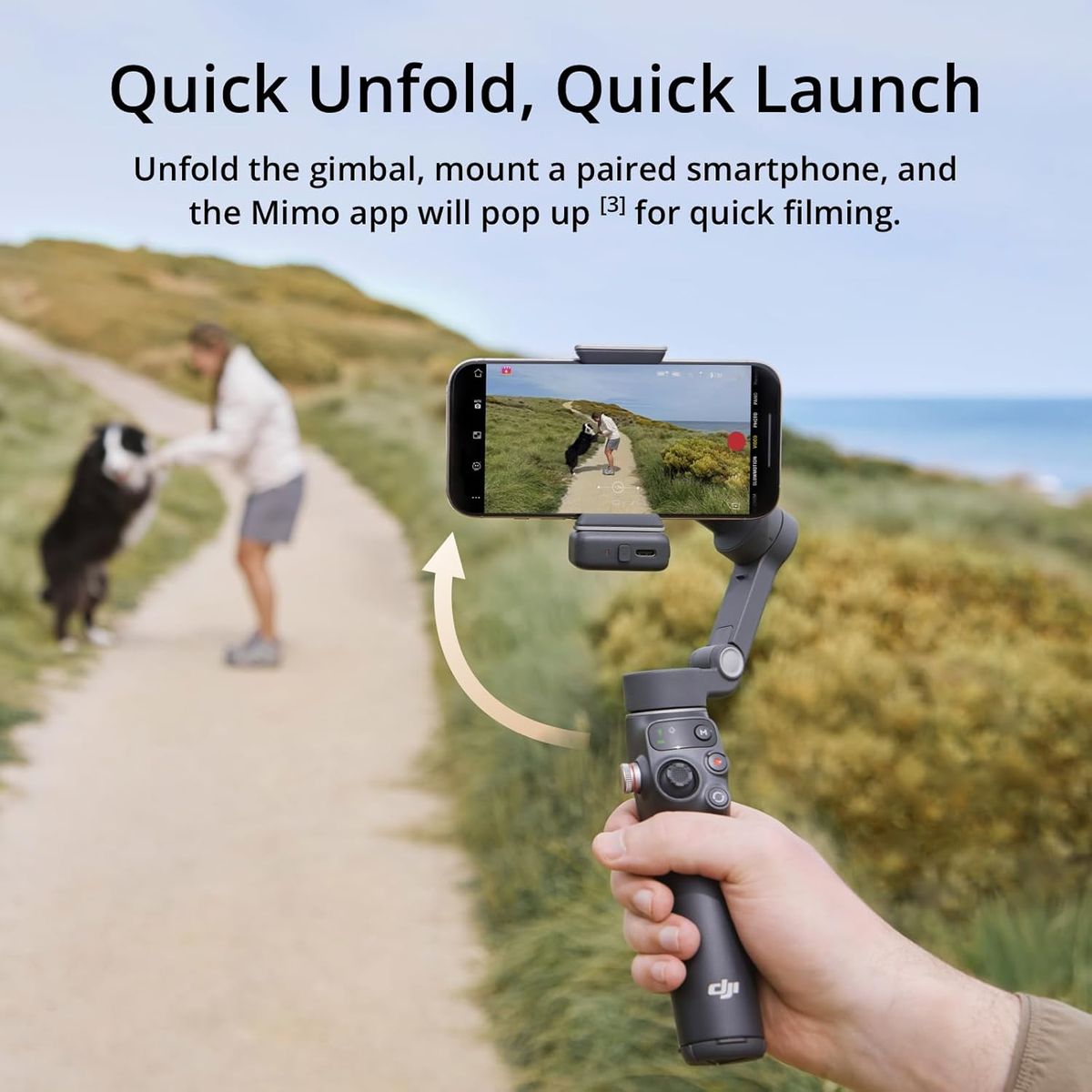
As a reviewer, I hate fiddling with settings. The Quick Launch feature on the 7P is a godsend. You can set the gimbal to automatically open your camera app the moment you unfold it and attach your phone. It’s a two-second startup. No more missing the moment because you were fumbling with Bluetooth pairing. The connection is stable, and the DJI Mimo app auto-detects the device instantly.
But the real time-saver is One-Tap Edit. After you’ve shot your footage, the app analyzes your clips and offers a suite of templates. You tap one, and it automatically cuts your clips to the beat of trending music, adds transitions, and even color grades the footage. In about 30 seconds, I had a share-ready Instagram reel that looked like I spent an hour in Premiere Pro. It’s not going to replace professional editing software, but for daily vlogs or social media, it’s ridiculously efficient. This is the kind of feature that separates the “prosumer” from the “enthusiast”—it removes the friction between capturing and sharing.
Let’s break down the core specs that make this a no-brainer:
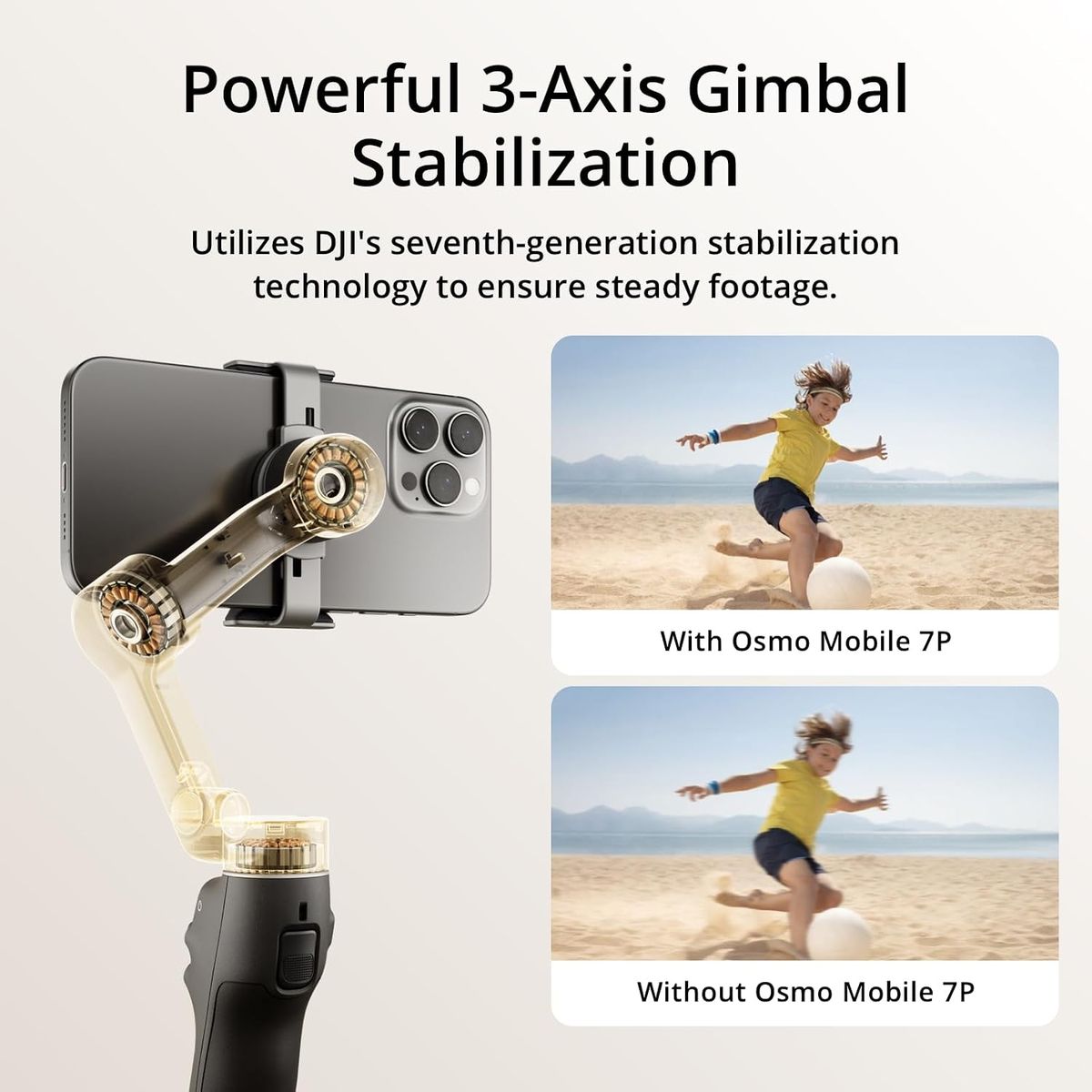
- 3-Axis Stabilization: The mechanical gimbal keeps your horizon level even when you’re sprinting. It’s not digital EIS; it’s physical, which means no cropping into your sensor.
- 10-Hour Battery Life: I used this for a full weekend wedding shoot without charging. It outlasted my phone’s battery, which leads to the next point.
- Phone Charging: The gimbal has a USB-C port that can reverse-charge your phone. If your phone dies, your gimbal becomes a power bank. This is a lifesaver for long hiking trips.
- Built-in Extension Rod & Tripod: As mentioned, this replaces two separate accessories. It’s the Swiss Army knife of gimbals.
Real-World Daily Use: The Verdict
I’ve used this gimbal for everything from professional client work to silly family videos. The stabilization is buttery smooth—on par with gimbals twice the price. The motors are strong enough to handle a Pro Max-sized phone with a heavy case, which is a common complaint with cheaper units. The battery life is genuinely 10 hours; I’ve never hit the red light in a single day of shooting.
Is it perfect? No. The lighting panel, while useful, adds a slight weight to the front, making the balance feel different initially. And the Mimo app, while powerful, still has a few UI quirks if you dig deep into the manual settings. But these are nitpicks. The core experience is flawless.
For the online shopper looking for a quality product that will elevate their content immediately, this is the gold standard. It’s not just a tool for vloggers; it’s for anyone who wants to capture a family holiday without shaky footage, or a traveler who wants cinematic pans without packing a tripod. The integration of native tracking means it works with your favorite apps, not just the proprietary one. It’s a thoughtful, robust, and incredibly fun piece of tech.
I’ve reviewed dozens of gimbals, and most end up in a drawer after a week. The DJI Osmo Mobile 7P is the first one that has become a permanent part of my daily carry. It’s the difference between hoping your footage looks good and knowing it will. If you’re serious about your phoneography, this is the upgrade you’ve been waiting for.
Ready to stop shaking and start creating? The DJI Osmo Mobile 7P is waiting for you. It’s time to give your phone the wings it deserves. Trust me, your future self—watching crystal-clear, buttery-smooth memories—will thank you.